before Art secures its Modernity
photomontage series (2025)
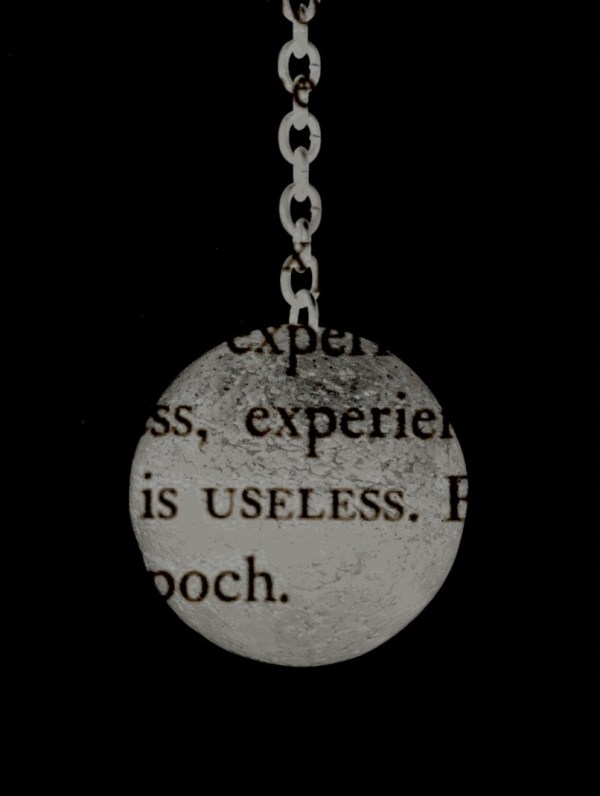
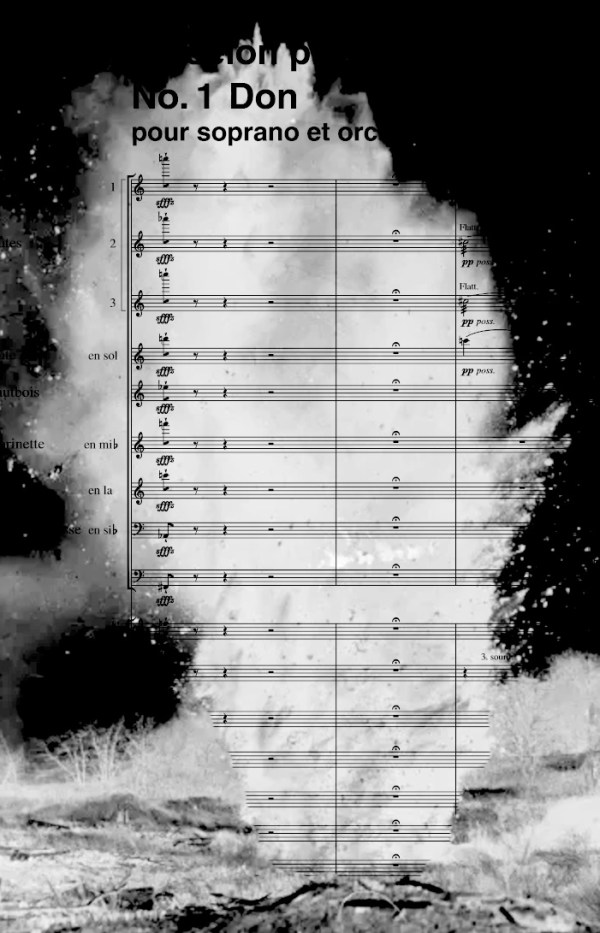
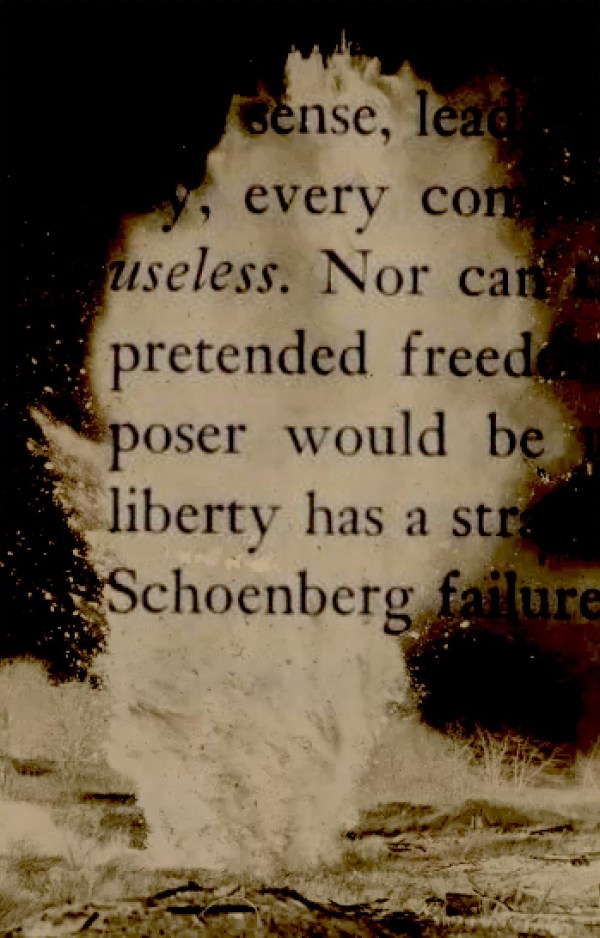
This work asks how the imperial racialization of temporality undergirds white Modernist aesthetics. From Italian Futurism to modernist musicians such as Pierre Boulez and John Cage and beyond, these aesthetic discourses secure their Modernity by re-enacting tactics of destruction through which European imperialism has historically marked colonized peoples as Obsolete, Inert, and Primitive, and redirecting these tactics towards metropolitan culture. Faced with the inherent difficulty of securing their position as the leading edge of Modernity, these artists abstract traumatic imperial histories into a discursive resource through which they shore up their Modernity, erasing the specificity of these histories and making it more difficult to reckon with their ongoing manifestations. As I wrote about in more depth elsewhere, Boulez’s oft-quoted but rarely interrogated polemics stage this scenario by wielding violent imagery of demolition and heritage destruction which recalls and derives its rhetorical force from prior French imperial tactics such as the settler colonial terraforming of heritage neighborhoods in Algiers through demolition, tactics later directed at poor and working class Parisian people by Baron Haussmann, and at much of Europe during WWII, and the anthropological plunder of unfathomable quantities of “objects” from colonized peoples (such as that perpetrated by Boulez’s friend André Schaeffner). Haunted by the possibility of being deemed “useless”—as in Boulez’s famous epithet directed at the recently departed Schoenberg (1951) and the non-serialist musician (1952) —and in turn marked for destruction, his discourse attempts to contain this destruction into a discursive performance that secures his artistic modernity, such as in his notorious proposal to Modernize opera houses with explosives (1967). This legacy of this imperial temporality, within and beyond the arts, is unfortunately alive and well today, as is evident from the intense alignment between (historically white) modernist arts institutions and funders complicit in (neo-)imperial projects of destruction from Zionism to global warming.
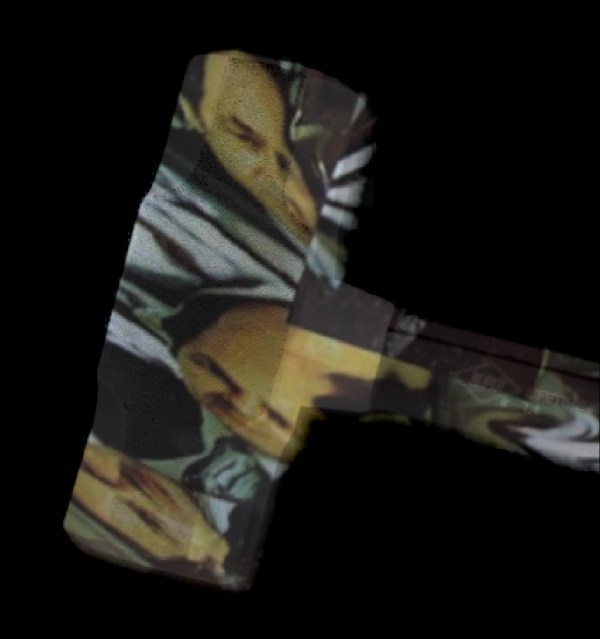
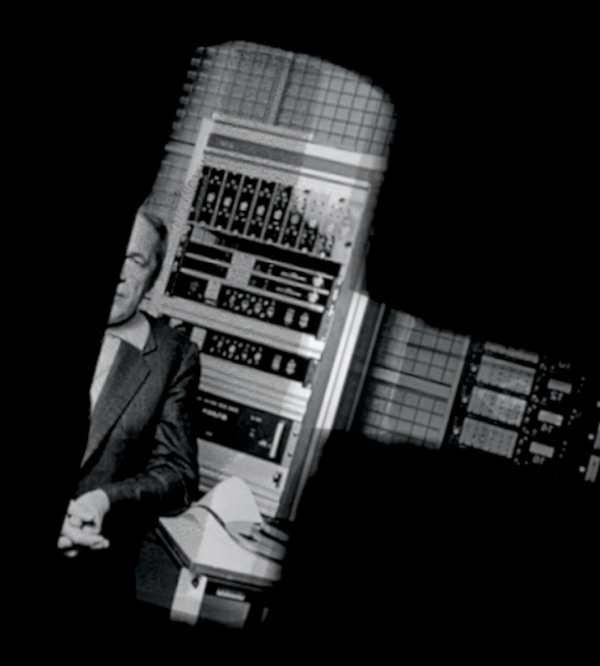
The present piece operationalizes this analysis by filtering images indexical of artistic Modernity through images of infrastructures that have historically secured Western Modernity by marking people(s) as Obsolete, Primitive, etc. By positioning artistic Modernity as contingent upon imperial destruction, the piece aims to not only align form with the de-essentializing of racializing temporal positions, but to actually encode this de-essentializing into form, and thereby approach form otherwise, not as a tool for white(ning) abstraction but as a tool for decoloniality and specifically for de-essentializing mappings of relationality.
The initial version of the piece responds to 2025 institutional celebrations of the centenary of Pierre Boulez. It filters images indexical of Boulez’s status as the apogee of a certain kind of musical Modernity through images of infrastructures of imperial demolition that subtend his polemics. These realizations feature the sledgehammer and landmine, tools likely used to terraform Algiers, and the wrecking ball, a tool widely used in demolition-in-the-name-of-Progress as Boulez wrote these polemics. As such, the piece is less about Boulez as an individual (that would be a kind of epistemic whiteness); rather, it approaches him as a key exemplar of Modernist art music composition and aesthetics, of Modernist institution-building (specifically as an instigator of the institutional forms of the contemporary art music-focused ensemble and the music technology research institute), and of the canonization of Modernist opera and orchestral music.
 Colin Tucker [artist]